A global network the shared foundation is designed to serve
WorldSkills International brings together 90 Member organizations in a global skills movement. Behind its competitions is a year-round network of national and regional teams, experts, partners, event organizers, and educators. Each sees a different part of the story. Understanding the whole requires their data to connect.
The long-term partnership with Sopact centres on that challenge: building one owned, centralized dataset that teams can keep using across languages, stakeholder groups, and successive event cycles. The capabilities below describe the partnership’s planned direction; network-wide adoption and measured results are still to be established.
A global operation, fragmented into forms and files
Competition feedback, quality assessments, Member reporting, and follow-up studies arrive through separate collection processes. Responses include scores, open-ended comments, historical files, and data supplied by event organizers. Different languages and local definitions add another layer of complexity.
Consolidating those inputs means cleaning spreadsheets, translating responses, coding comments, and reconciling categories before analysis can begin. Reports risk arriving after the teams who need them have moved on to the next cycle.
There is also a continuity problem. A competitor’s event experience and their later progress belong to the same journey. When each survey becomes a separate file, teams struggle to connect the two and answer the question that matters: what changed over time?
One dataset. Questions that can keep changing.
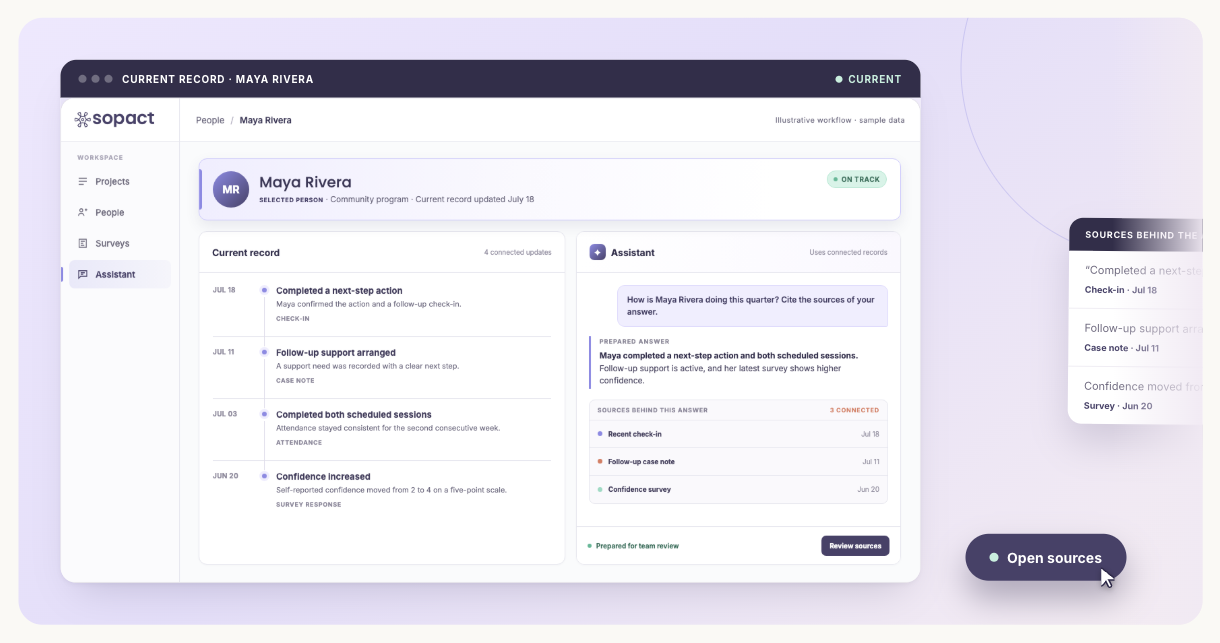
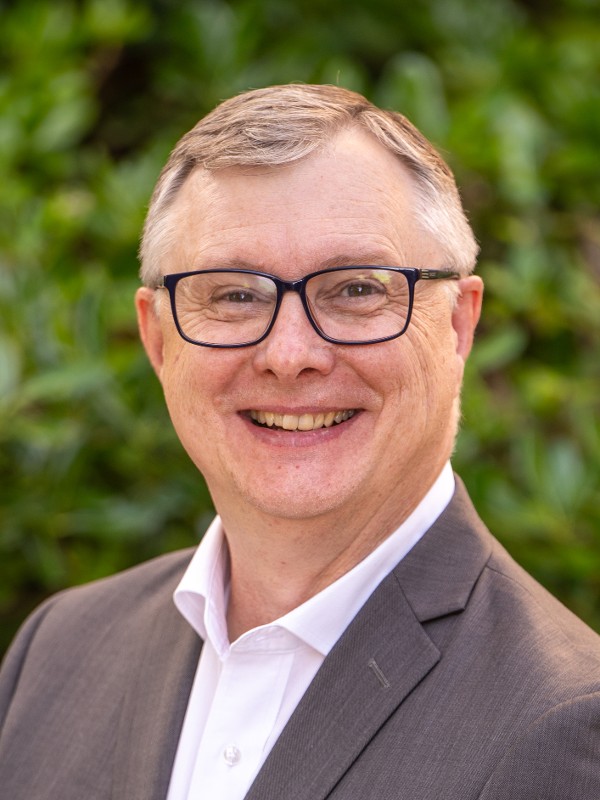
John Cox’s request defines the partnership: give WorldSkills a dataset it can query as its questions evolve. A report should be an output of that shared foundation, with the evidence still available for the next question.
The centralization design brings together three kinds of work:
- Competition impact: experiences and later outcomes across competitors, experts, partners, conference participants, and other stakeholder groups.
- Competition quality: feedback that helps event teams understand what worked and where the experience needs to improve.
- Global Member learning: recurring Member information, organizer contributions, and questions that emerge between major events.
The intended reach is the 90-Member network, alongside headquarters and event-organizer teams. That describes the network the system is designed to serve, rather than 90 teams already using it. Each Member needs a useful view of its own evidence; headquarters needs a coherent global picture.
Why the existing toolchain falls short
Collecting a response is one step in this workflow. WorldSkills also needs to connect identities over time, reconcile languages and definitions, combine imported data with new responses, and make the result usable across a distributed network.
- Standalone forms and spreadsheets: useful for collection and local work, but separate files leave the cross-survey linking, translation, consolidation, and access management to the team.
- Fixed reports and dashboards: valuable for established measures, but a new question can require another export, analysis request, or reporting configuration when the underlying evidence remains fragmented.
- Advanced research platforms: can support sophisticated studies; the practical challenge is configuring and maintaining a shared, recurring workflow that distributed Member teams can use themselves.
- A general-purpose AI chat: can assist with text, but still needs a governed data foundation to preserve identity, calculate consistently, respect access, and trace an answer to its evidence.
The requirement is the combination: multilingual collection, longitudinal records, shared definitions, flexible analysis, and Member-level access working together. The design allows existing systems to contribute data where they remain useful.
Centralize the data. Preserve the context.
Sopact’s proposed approach connects collection, interpretation, and use in one evidence loop:
- Collect and bring data in. Combine multilingual surveys with organizer-supplied and historical data, so the dataset includes information already gathered across the network.
- Connect the same people across time. Link follow-up responses to earlier records where consent allows, retaining the stakeholder, Member, and event context.
- Make evidence comparable. Use shared definitions to interpret structured measures alongside open-ended feedback, with source-linked analysis and human review.
- Put it back in teams’ hands. Support global and Member-level views, meaningful comparisons, and new questions answered from the shared dataset.
The architecture: intake, intelligence, shared views
Sopact Sense is the proposed shared foundation. Its design connects three layers so evidence can move from local collection to a global view without losing the context behind it.
- Data collection: multilingual intake and imported evidence feed a common dataset. Planned connections with WorldSkills’ registration environment support continuity between initial participation and later follow-up.
- Intelligence: a shared data dictionary and taxonomy align information across departments and regions. AI-assisted qualitative analysis surfaces themes and outliers alongside structured measures, with findings checked against their sources.
- Presentation: global and Member-level views support filtering, drilling into evidence, and peer comparisons. Shareable reporting can refresh as new data arrives, while access rules govern what each team can see.
The aim is to relate evidence to WorldSkills’ own impact framework, including Inspire, Develop, and Influence, so teams can connect what they collect to the strategic questions they need to answer.
Flexibility without rebuilding every cycle
Different teams need different questions. Event organizers may need to examine visitor experience; Members may need to understand their own participation and progress; headquarters may need to connect findings across the movement.
The planned foundation supports new instruments, additional languages, imported files, follow-up waves, and changing reporting needs while keeping common definitions and connected records. Local context remains attached to the evidence, helping teams understand what can be compared and where a difference needs explanation.
AI-assisted analysis is intended to reduce repetitive interpretation work. Quantitative calculations, source traceability, and human judgment remain essential to findings that teams can trust.
A long-term partnership for cumulative learning
The work extends across event delivery, follow-up, Member learning, and the next cycle. Sopact’s role combines the platform with ongoing advisory and team enablement: refining collection, strengthening shared definitions, reviewing evidence quality, and helping teams use the information themselves.
The sequence starts with competition collection, extends into follow-up and recurring Member reporting, and then broadens through integrations, departmental workflows, and staff enablement. This phased approach lets the partnership establish a common foundation and refine it as more teams and use cases join.
The intended outcome is a durable capability inside WorldSkills. Each cycle adds to a dataset the organization owns and understands. Teams can revisit earlier evidence, investigate a new question, and carry that learning into the next decision.
One global dataset. Connected teams. Learning that continues between events.
Discuss your data-centralization workflow · Explore connected participant journeys
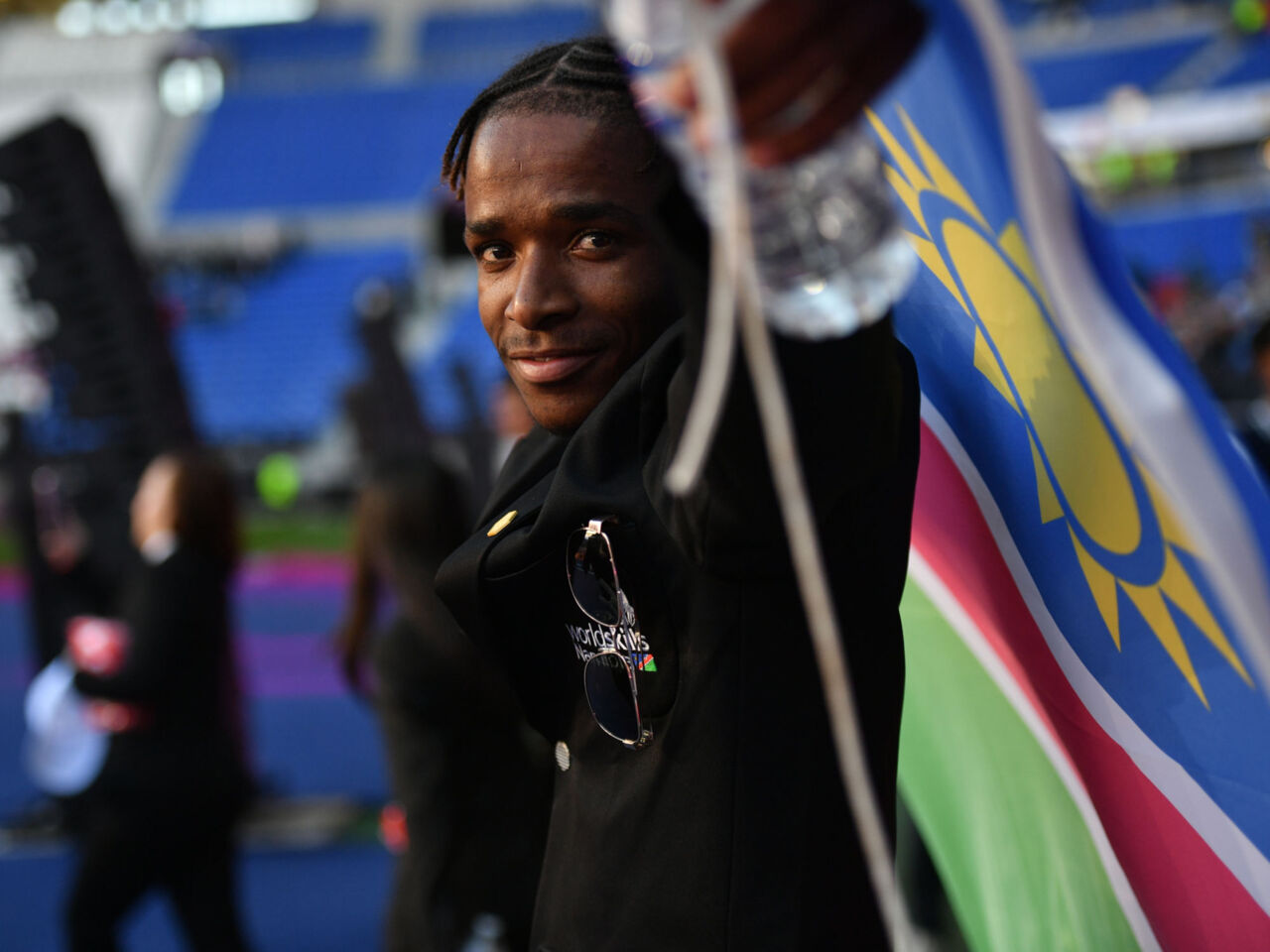
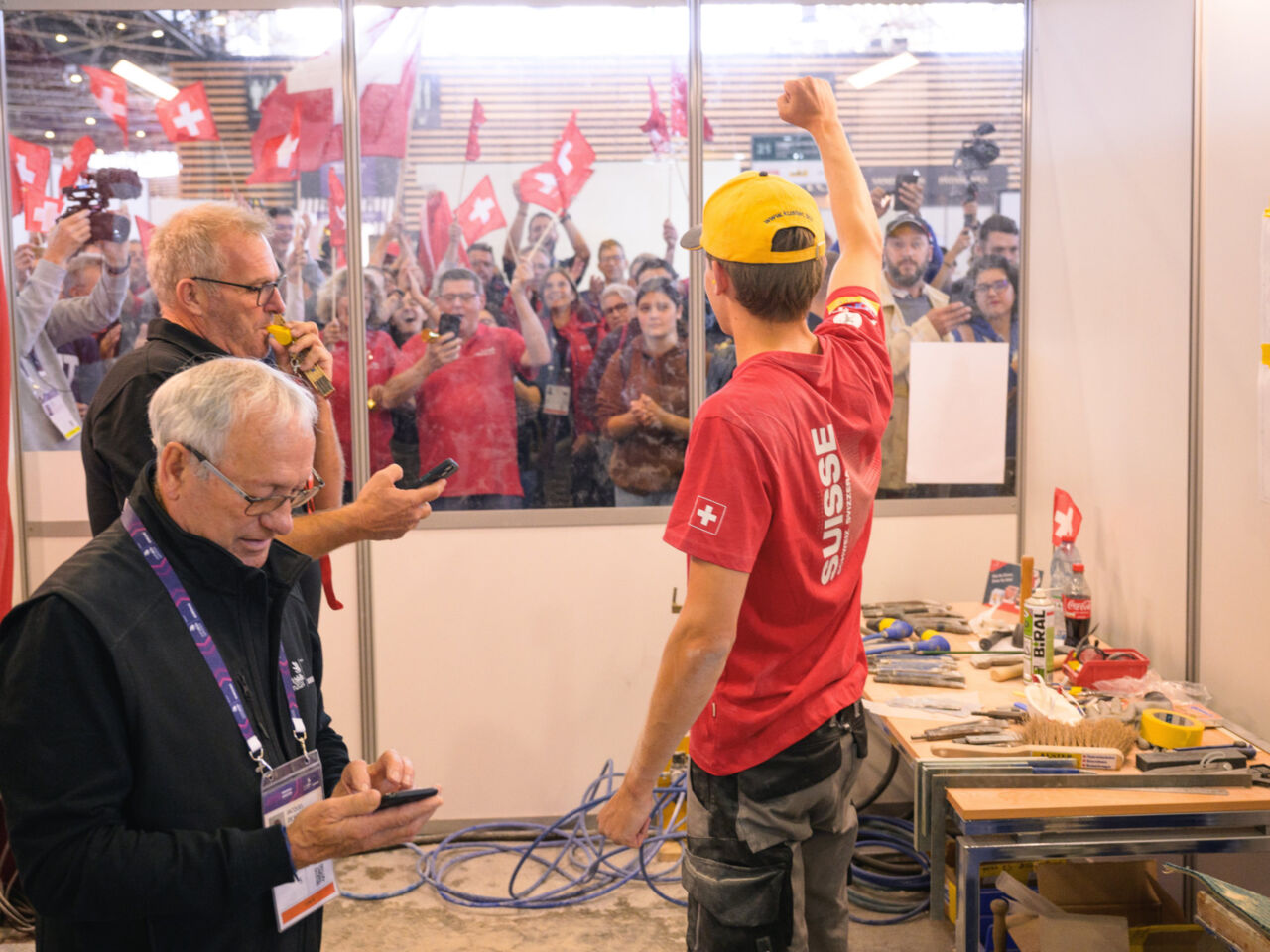
Event photographs: WorldSkills International, Lyon 2024. They illustrate the WorldSkills community and do not depict a Sopact deployment. This story excludes private instruments, implementation specifications, commercial terms, and participant records.