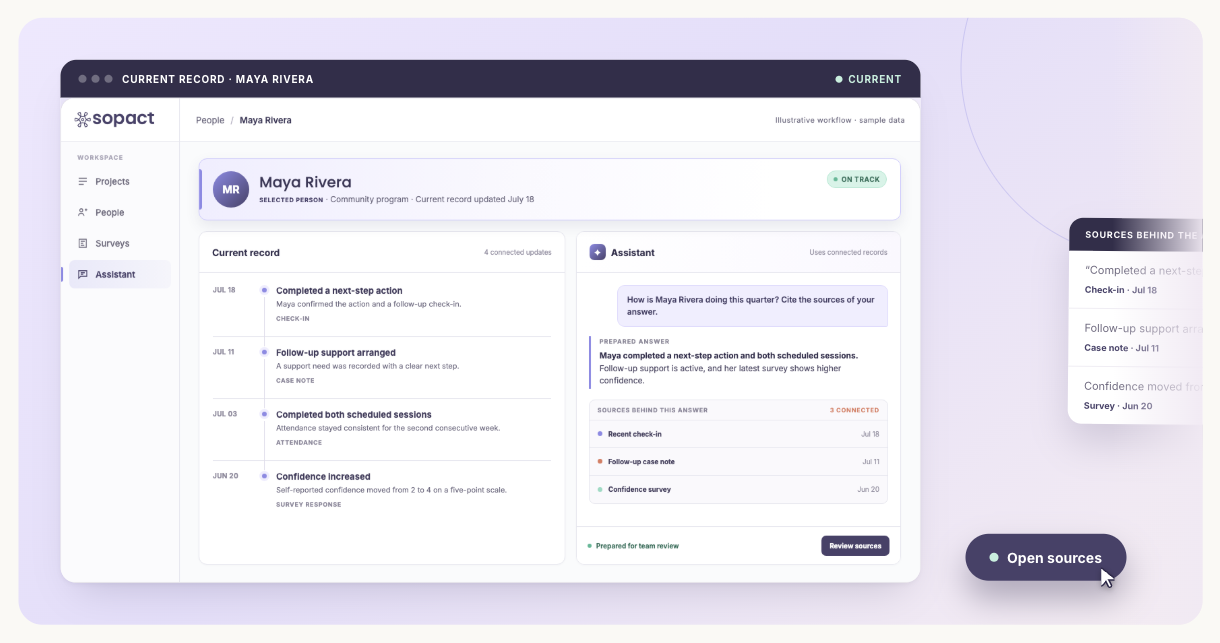
The team uses Sopact and its AI Assistant as part of ongoing work.
A meal reaches a child through a network of decisions
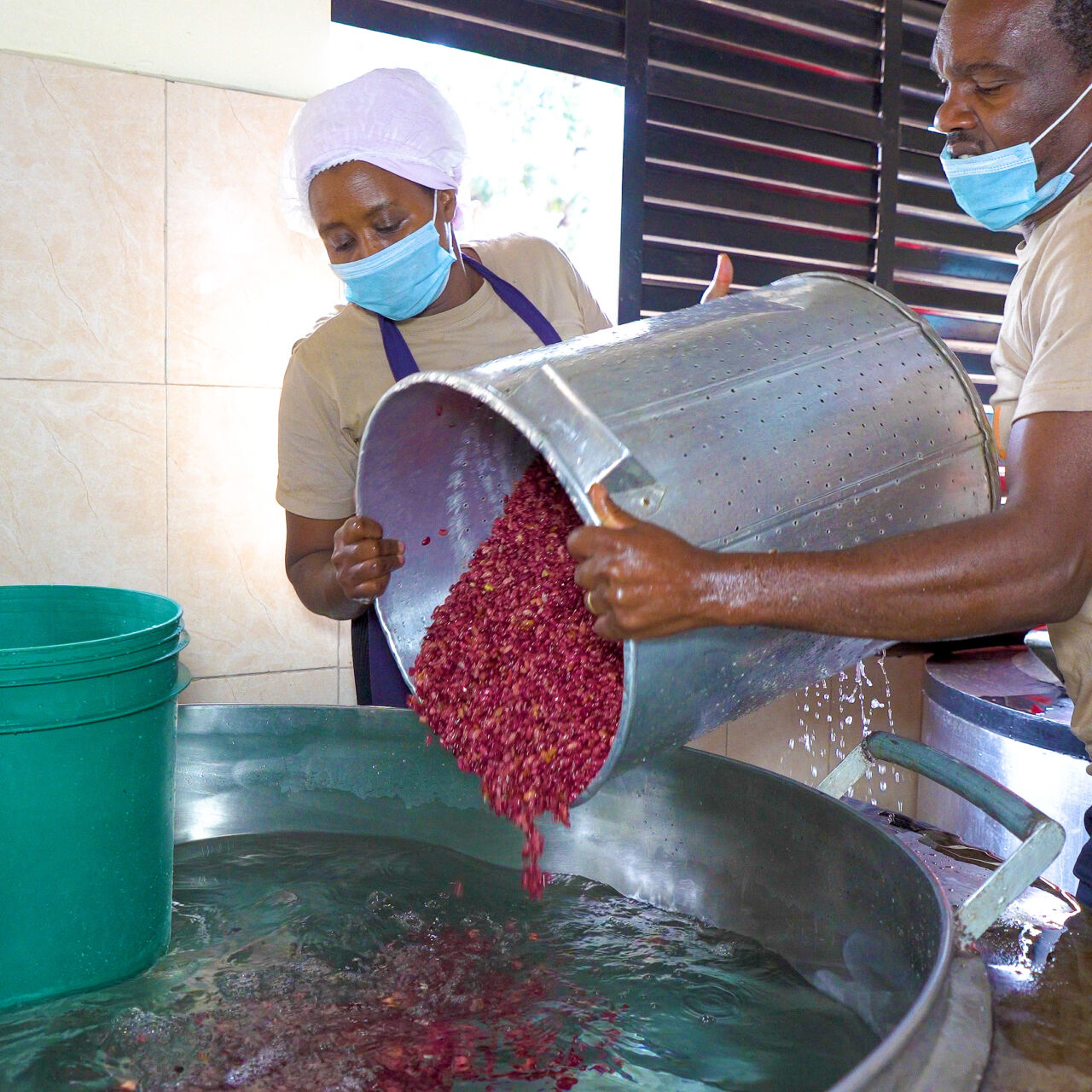
Food4Education builds affordable school-feeding programmes in Kenya. Behind each meal sits a network of suppliers, kitchens, schools and people. Understanding that network requires more than a total at the end of a reporting period. The operational record has to explain where information came from and how it connects to the work.
The engagement with Sopact began with a concrete need: aggregate supply-chain data. The broader ambition is to connect that information across the operation, so the organisation can build a more complete understanding of what is happening and what it means.
Start where the work already happens
Food4Education’s project materials describe a landscape of spreadsheets, documents and collection tools. Bringing supply-chain information together creates a practical starting point for a wider evidence base.
The first story is therefore about use. Food4Education’s team returns to Sopact regularly and uses the AI Assistant as part of its work. Much of that work is self-managed. Multilingual and offline use help the approach fit the conditions in which information is collected.
A system the team keeps coming back to
A data project becomes valuable when people can use it after the initial setup. Food4Education’s ongoing use is an early sign that the workflow has become useful to the team, beyond a one-time exercise in aggregating information.
It also creates a foundation for the next question. As more evidence is collected, the organisation wants to retain the context around suppliers and operations rather than start a fresh analysis from disconnected files each time. The ambition is a record that becomes more useful as the work continues.
Connect supply-chain evidence to a wider understanding
The next stage described in the engagement materials extends toward supplier and farmer livelihoods, sustainability and school-feeding outcomes. That means asking how operational activity relates to the people and organisations involved, and what additional evidence is needed to understand change.
This wider end-to-end view remains a development goal. The current success is a working supply-chain data foundation, regular AI Assistant use and a team managing much of the workflow itself. The case does not yet establish a quantified improvement in livelihoods, learning outcomes or operating costs.
A practical starting point for similar organisations
For an organisation managing suppliers, field teams and multiple sites, the useful starting point is a workflow people already need to run. Food4Education began with supply-chain data and is using that foundation to work toward a broader picture.
The lesson is practical: connect the evidence at a point where it helps the team do its work, then extend the context as the organisation learns what it needs to understand next.
About Food4Education
Food4Education is a Kenya-based organisation developing scalable, affordable school-feeding programmes. Learn more at food4education.org.