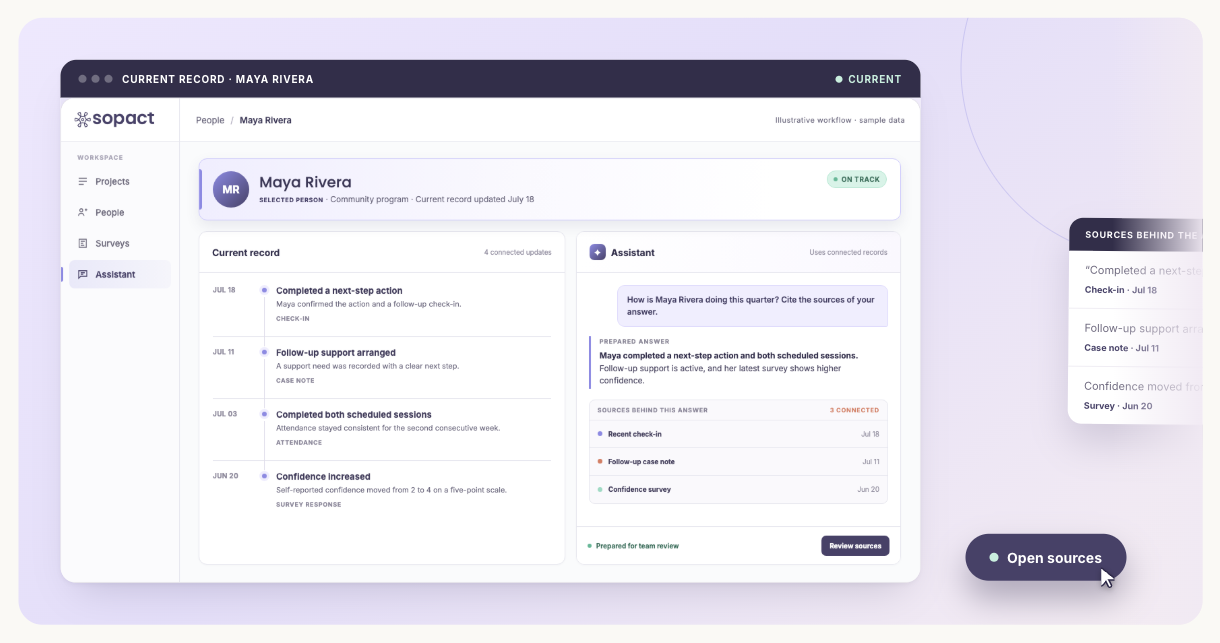
Applications reviewed against a custom rubric overnight
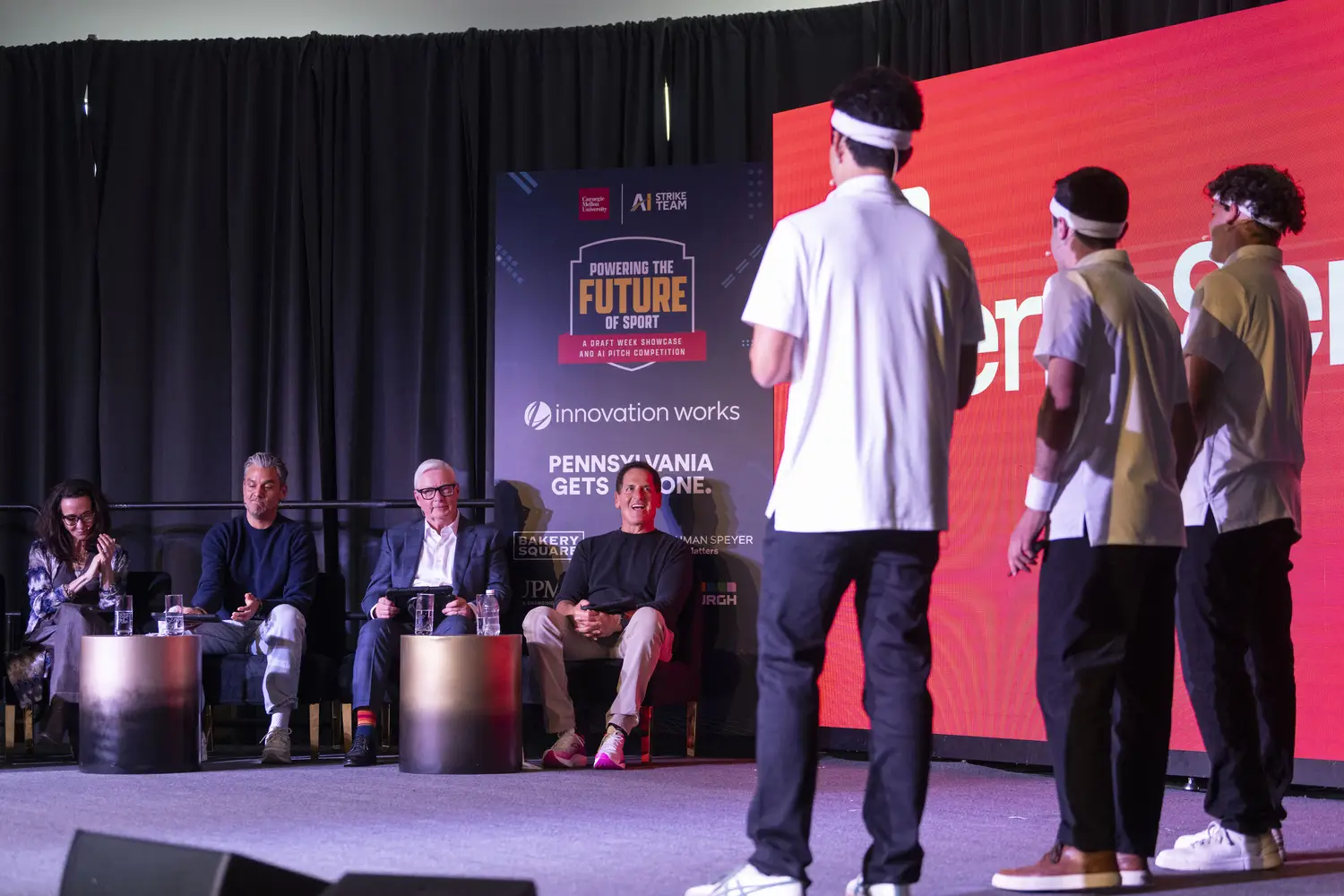
Project Olympus, Carnegie Mellon University’s entrepreneurship programme, supports faculty, students, alumni, and staff who are turning research and ideas into ventures. When a high-volume application cycle approached, the team had a narrow window: launch in one week, close and make decisions in three.
When the deadline is Friday
Managing a large volume of applications against a detailed rubric is not simply a form problem. It is a decision-quality problem. A conventional application-management rollout would have consumed the window with configuration and reviewer coordination, leaving the programme team to reconcile subjective scores under deadline pressure.
Project Olympus needed every application read against its own criteria, a clear way to see why each score was reached, and a shortlist its team could interrogate before making the final call.
Put the rubric to work on arrival
Sopact launched an AI-native application workflow in five days. The programme’s rubric became the evaluation structure: each application could be read, scored, compared, and ranked against the evidence it contained—not summarized after the fact for a separate manual review.
The result was a consistent evaluation record with an overall score, threshold decision, supporting evidence, and visible gaps. Human judgment remained with the committee; Sopact prepared the complete, comparable record for the decision.
From large-volume review to a defensible shortlist
The large application volume could be reviewed overnight against the custom rubric. Project Olympus could focus its committee time on the 35–50 semi-finalists that merited a closer human decision, instead of spending the cycle organizing initial reads.
The outcome was not an automated award. It was a faster, more consistent path to a decision the programme could explain: every score stayed connected to the application and to the rubric behind it.
About Project Olympus
Project Olympus is part of Carnegie Mellon University’s entrepreneurship ecosystem, supporting founders from concept through business creation. Learn more at Carnegie Mellon University’s Swartz Center for Entrepreneurship.