The planned application pathway is being designed for English and Spanish.
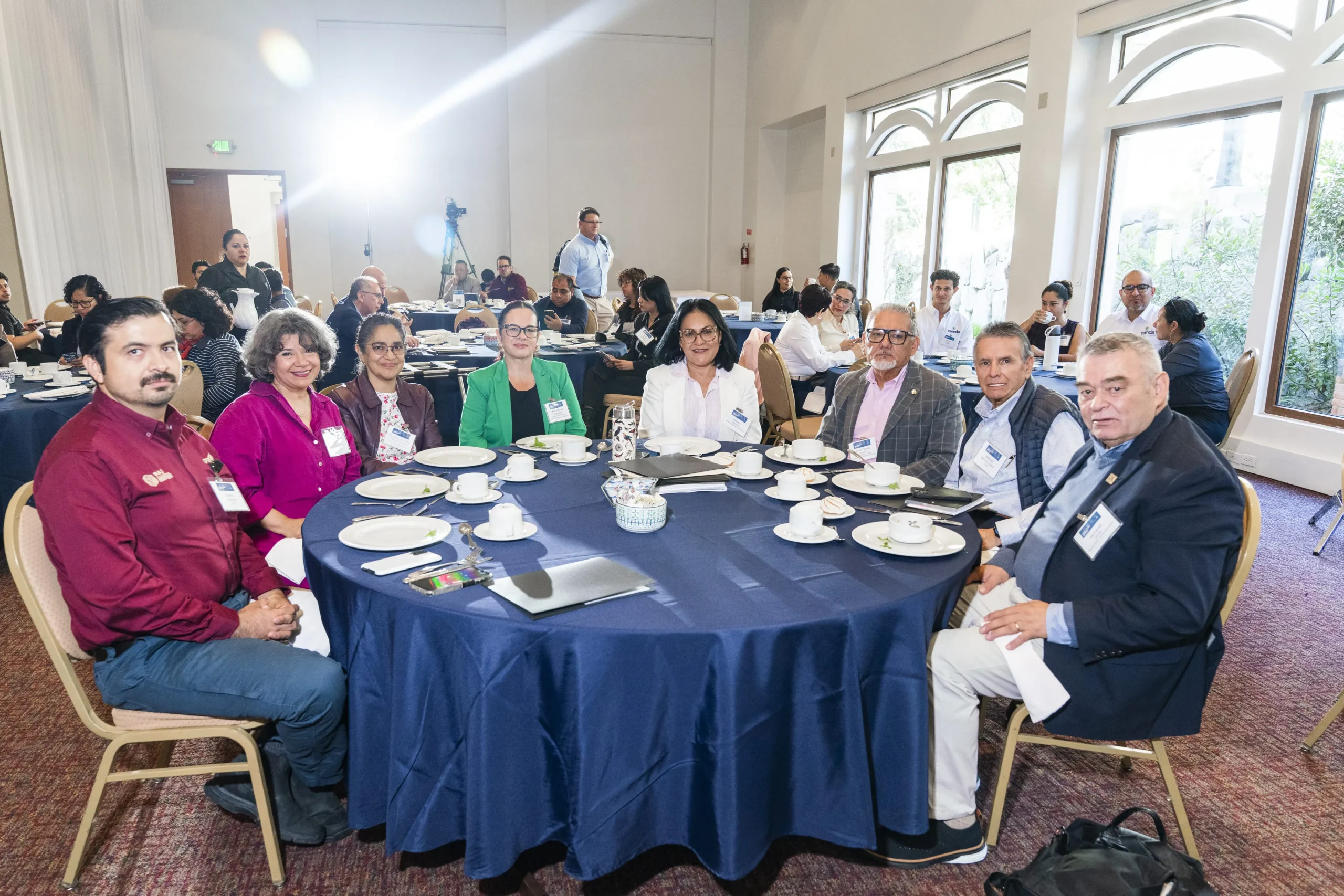
The Institute of the Americas is in the planning phase for the CaliBaja North American Leadership Academy: a planned 10-month programme for emerging cross-border leaders, ages 26–40. The ambition is to bring together people working across the public, private, and civil-society sectors in the CaliBaja region within a North American context.
A cross-border academy needs one application experience, not two
People in Mexico and the United States should be able to enter the Academy through the same clear process. The proposed application workflow is designed to work in English and Spanish from the start, so language does not create two separate queues, two sets of manual translations, or an inconsistent experience for applicants and reviewers.
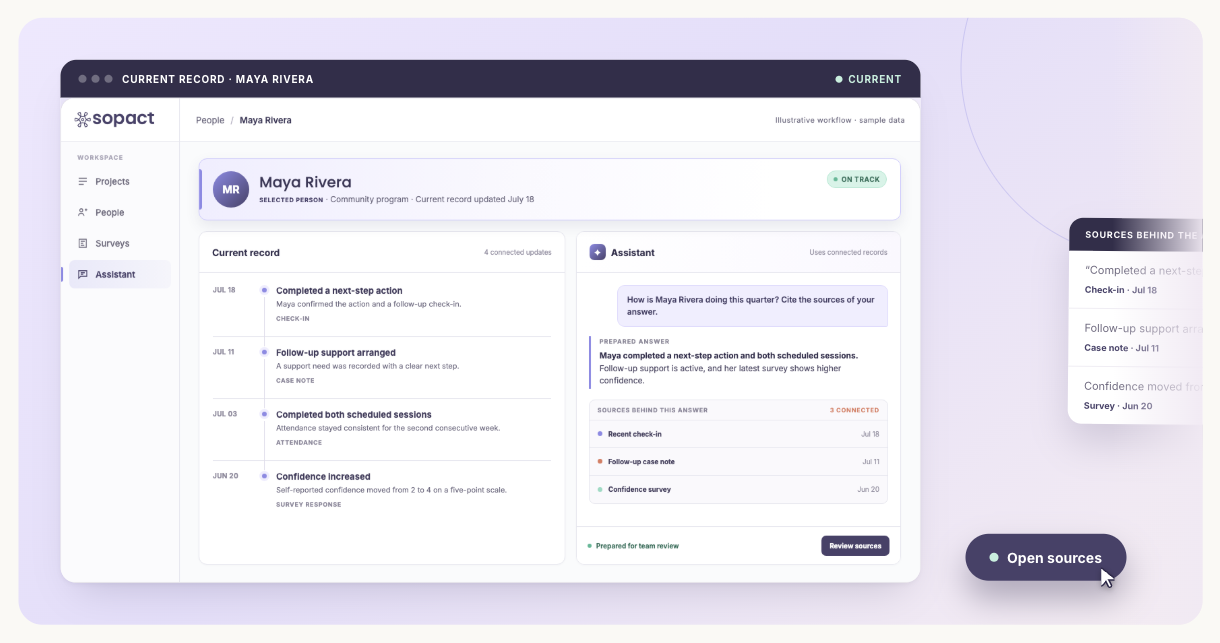
A shared workflow also gives the selection committee a common record to review. It replaces the prospect of disconnected PDFs and spreadsheets with a traceable application file that keeps the source material alongside the evaluation.
Make the selection criteria visible before launch
The proposed Sopact workflow is being designed around the Academy’s own selection criteria. Applications can be read against a shared rubric, with supporting evidence visible to the committee. Human reviewers retain the ability to inspect the original submission, discuss context, and make the final decision.
The intention is not to automate judgment away. It is to make a bilingual, cross-border selection process more consistent and easier to explain before the first cohort begins.
Start the fellow record at the right moment
If the Academy proceeds to launch, the application can become the first chapter of each fellow’s record. The same structure can carry forward into learning feedback, leadership assessments, capstone work, exit reflections, and future alumni engagement—without rebuilding the context from scratch.
Designed for a responsible launch
The Academy is not yet open for public applications. This work focuses on building a bilingual intake and review foundation early, so the future programme can welcome leaders across the border with a process that is fair, readable, and ready for human oversight.